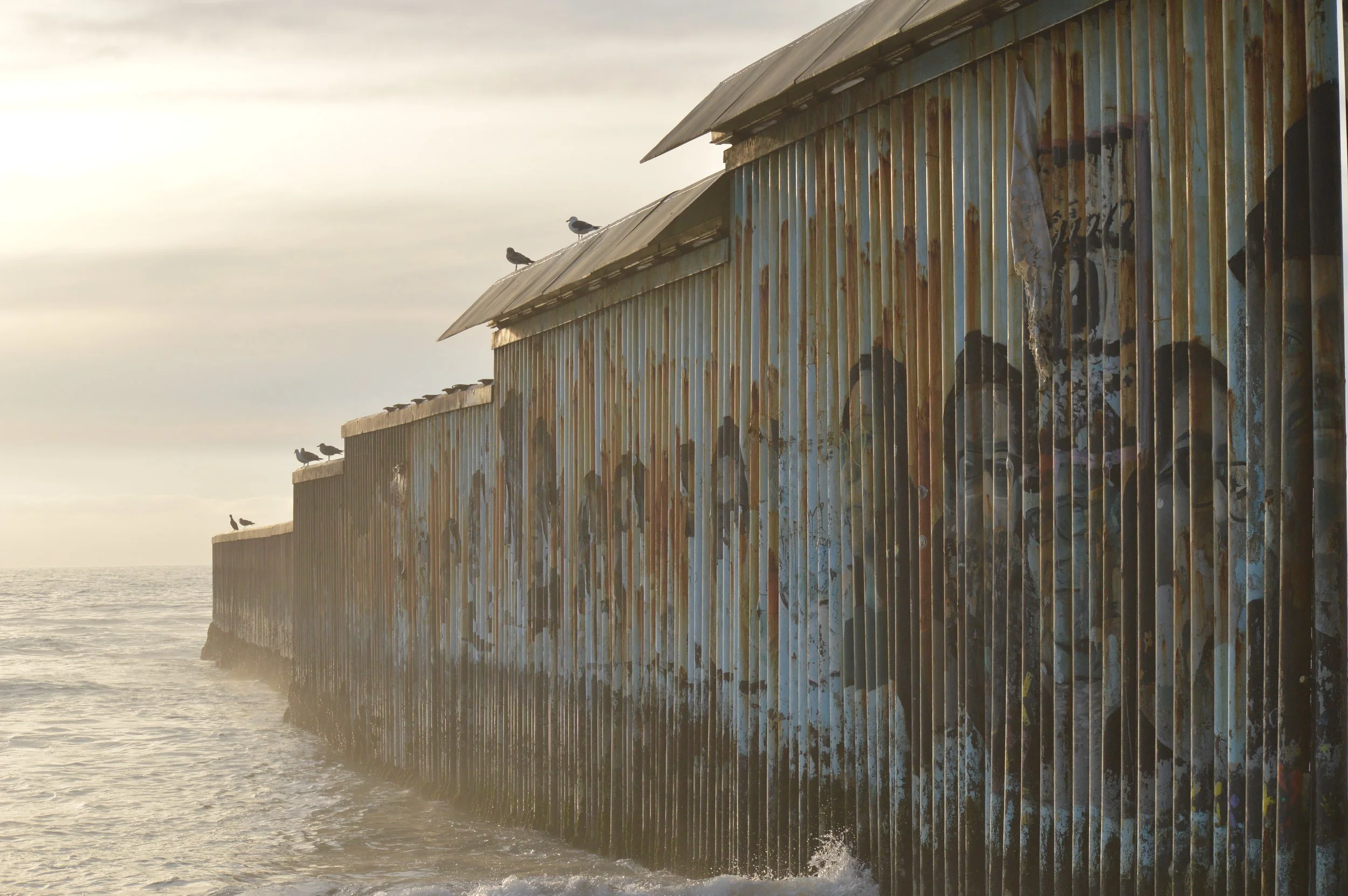
The Distance
We Carry
Recorded in Tijuana during the week of March 9, 2025, these are the stories of people navigating displacement — told in their own words, drawn from experiences of deportation and forced relocation. Their accounts trace broader regional patterns of family separation, economic collapse and political repression.
In the months leading up to these interviews, the Trump administration ended the CBP One appointment system, cut legal asylum pathways and escalated deportations under a national border emergency, leaving tens of thousands stranded in Mexico.
CLER
Cler, who requested her full name be withheld for her protection, left Colombia with a friend to seek better opportunities for her children, who remained in the country with their father. She decided to migrate after a surge in violence following the extradition of an accused crime leader to the United States.
After fleeing her hometown, Cler traveled by plane and bus across Mexico — from Cancún to Tuxtla Gutiérrez to Mexico City — before reaching Tijuana in January 2025. She secured a CBP One appointment, then the first legal step in requesting asylum at the U.S. southern border. But on Jan. 20, 2025, the day of President Trump's second inauguration, the administration ended the CBP One system, abruptly canceling roughly 30,000 pending appointments, including hers.
In Tijuana, Cler worked informal jobs while navigating legal limbo and waiting for a chance to reunite with her children. By April 8, 2025, she had returned to Colombia.
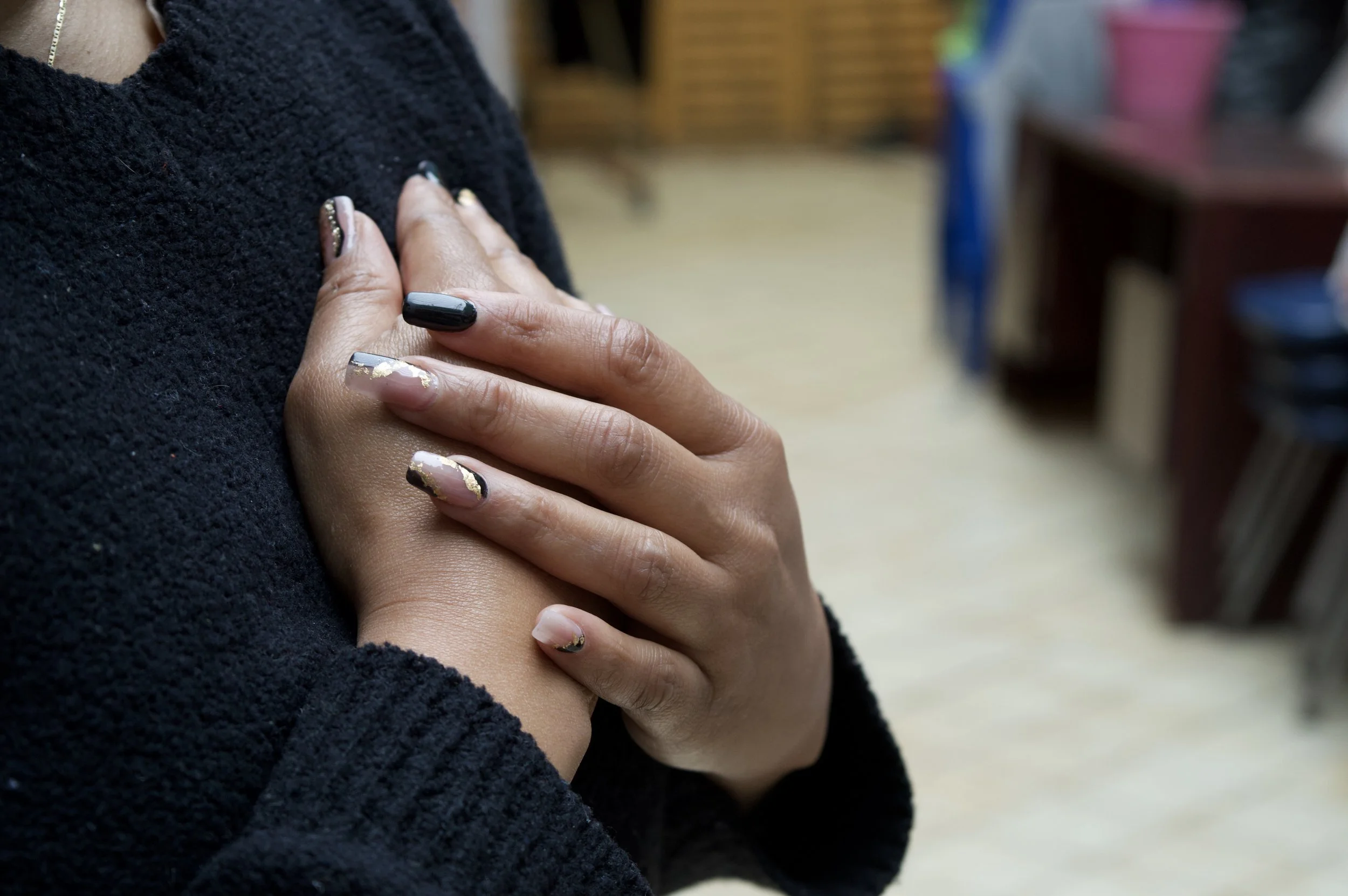
Cler poses for a photo in Tijuana, Mexico on March 14, 2025.
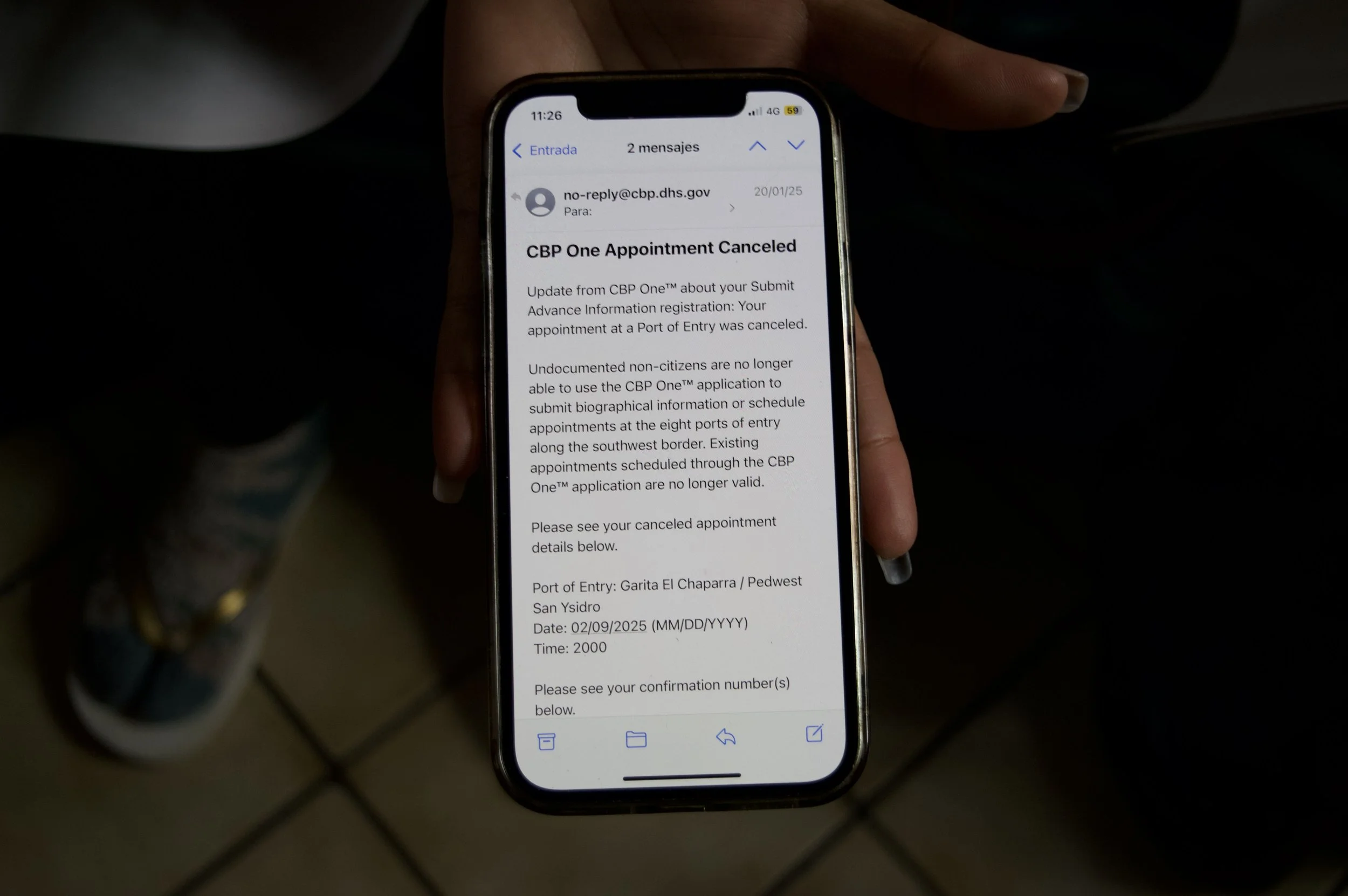
An email received on January 20, 2025, notified Cler that her CBP One appointment had been canceled. She was one of tens of thousands of people whose appointments were rescinded that day, as the incoming Trump administration dismantled the program within hours of taking office.
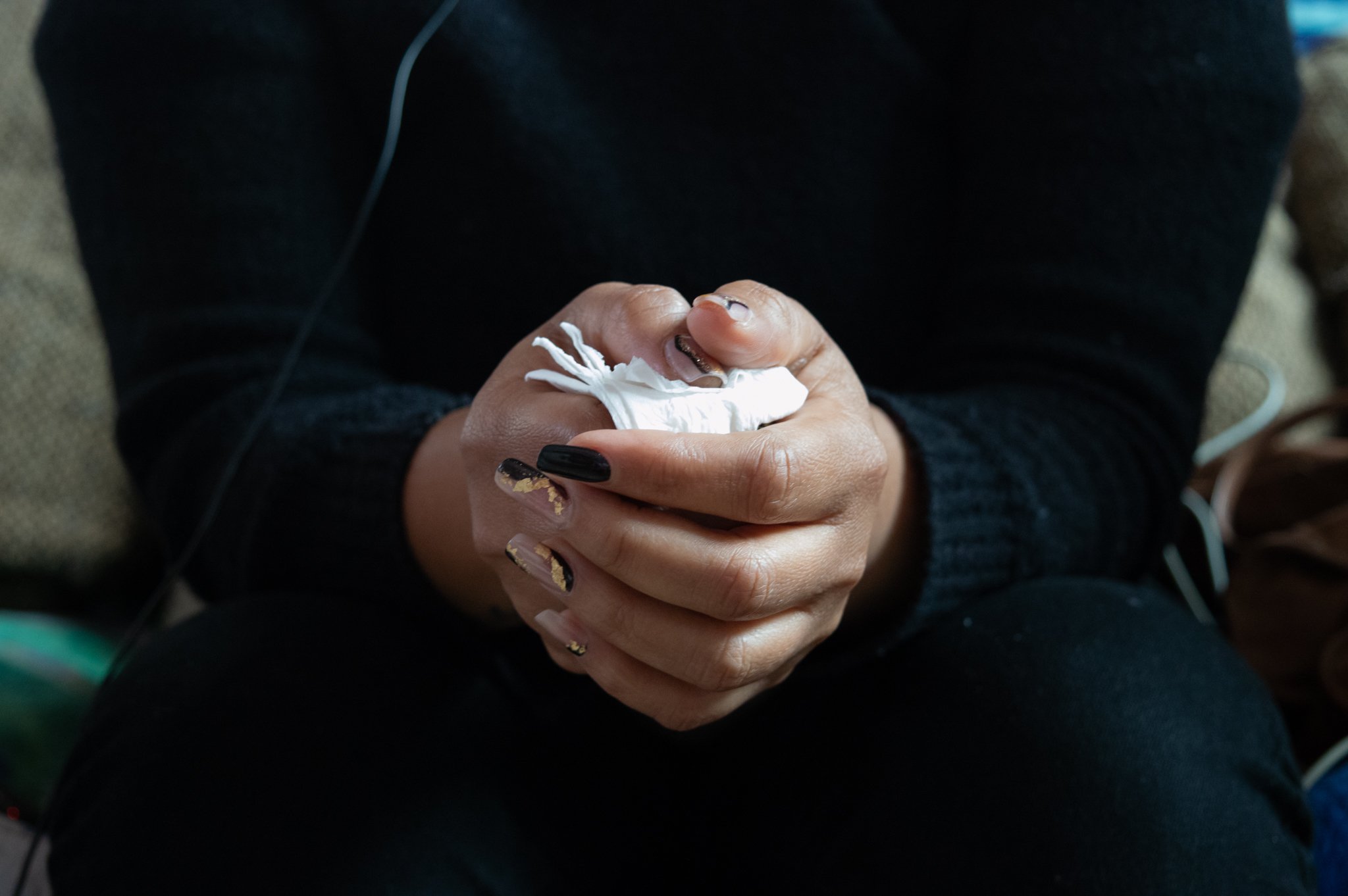
Cler holds a tissue while recounting her experience seeking asylum at the U.S.-Mexico border, at a shelter for women and children in Tijuana, Mexico, on March 14, 2025.
-
I'm a mother. I have three children, but they're not here. I'm married, but my husband isn't here either. They're in Colombia.
I have experienced two forced displacements in my country due to armed groups. They're armed groups, yes, from the country. Well, they usually force you out of the places you live, claiming land that should be yours.
But around April or May, something like that, they extradited a man from Colombia to the United States, and everything got complicated. The area was locked down, there were constant shootings. There were deaths. Cars were burned. It was really intense. So we were displaced again. And on top of that, the armed groups were demanding that my children be “contributed.”
That area, it's near the coast, there's a seaport. And you know that where there's a port, where there are coastal routes, that's where drugs get moved out. Right? So, wanting control, wanting total control of a region or a place, always leads to these kinds of situations.
So I made the decision because these cases are mine. Both displacements are mne. My husband was there for the last one, but he stayed behind to take care of the kids. He's a man, yes. But if I want someone to protect my children, they'll be more afraid of a man than of a woman. Also, my youngest son has epilepsy. He's undergoing treatment, it's managed, but it's a complex topic, and I haven't seen them in a long time.
And I'm here. I arrived in Cancún. From Cancún I went to Tuxtla Gutiérrez, from Tuxtla Gutiérrez to Mexico City. I got a CBP One appointment and made my way to Tijuana.
I came with a friend, my sons' godmother. We got an appointment. It was one of the happiest days of our lives because we had already been through so much. We decided to travel on [Jan.] 19, but they didn't let us through.
We had already pictured ourselves there.
Then, while we were here, we got up early that day. Since the appointment was under my phone, I received a message.
It said the appointment had been postponed.
You can't imagine what a brutal bucket of cold water that was for us. We couldn't believe it. After everything we'd done for that appointment…we had already pictured ourselves there.
So when we saw that the next day, we were crushed.
I had a lot of faith in this process, but it didn't work out, or hasn't yet. I really did have faith in it, that maybe some court would say, “let's honor the appointments that were already given, let's allow all the people stuck at the ports to enter.”
But no one raised their voice for us. It didn't make enough noise for us to be heard.
I had faith in the MPP program, but again, no one says a word. So right now, hope… the only thing I know for sure is that I'll wait a little longer to see if something happens. Or that some American shows up at the gate, falls in love with me, and marries me, and there are the papers.
But being in this situation, being here, is a blessing, but that doesn't make it any less hard.
Even though we speak Spanish, they use different slang here, different expressions. Sometimes what you say in casual conversation can be taken the wrong way. It's also complicated because of the different nationalities. Because of the food, because of everything, everything, everything. And there's a lot of machismo. A lot more here in Tijuana, especially when you go out looking for work. It's very hard, very, very hard.
So yeah, sometimes you just feel like throwing in the towel.
The jobs here… well, the work is really hard. Like during one of the displacements, I broke this hand. So I can't lift heavy things, and the job we got involved a lot of heavy lifting: crates of apples, crates of oranges. Those boxes are really heavy. They don't seem like it, but they are. And even though we're undocumented and all that, they pay terribly here.
So, because the pay is low, you leave work exhausted. If it weren't for that shelter, I don't know where we'd be right now.
I told my husband and my friends, “I understand what the U.S. president was trying to do. He wanted to clean up his country.”
But when there are people like us who want to do things the right way, why push us to do things the wrong way? I don't want him to give me anything for free, because I said I'll work. But don't push me to go looking for coyotes, to risk death, to leave my children alone, just because of his racism. Because yes, he's racist.
I've always told my kids and my husband I love Canada. I've always imagined myself there, my kids studying, with a much calmer life because the U.S. is a country that really doesn't want us.
No matter how much we say, “I'm going to work, I'm going to contribute.”
There are so many people suffering because of this, but everyone is silent.
You have no idea. I'm practically losing my hair. It's falling out like you wouldn't believe. The stress is unbearable. Waking up is unbearable. Just waiting, waiting for whatever he decides to do with us, because right now, as we say back home, he's the one holding the frying pan by the handle. He's the one in control.
Sometimes I lock myself in and hide my shoes so they'll think I'm not home, so nobody calls out to me, because there are days when you just can't. When you want to hide. When you don't want anyone to say anything to you.
So I ask, “what else do I have to endure here?”
I've worked for nothing. I keep working for nearly nothing. I keep praying, and there's no light, no sign. No one says, “We'll bring your kids, we'll fight for this, we'll do something,” because that's what happens with migrants.
Yes, I talk to [my kids] every day. I speak to them. They're anxious to be with their mom. The same anxiety I feel, they feel it too. But I always tell them, “let's wait a little longer, just a little longer.”
And I keep them going like that. Every Sunday, they go to Mass to pray for things to get better.
So yeah, that's my story.
-
Yo soy mamá. Tengo tres hijos, pero no están acá. Soy casada, pero tampoco está mi esposo, que está en Colombia.
En mi país he vivido dos desplazamientos forzados por parte de grupos armados.
Son grupos armados del mismo país que normalmente te sacan a la fuerza de los lugares donde vives, reclamando las tierras que, por ley, serían tuyas.
Pero en el 2022, como en abril o mayo, extraditaron a una persona de Colombia a Estados Unidos y la situación se complicó. Encerraron la zona, pasaron disparando, hubo muertos, quemaron carros. Fue algo muy fuerte. Entonces salimos desplazados nuevamente.
Además de eso, los grupos armados estaban exigiendo contribuciones, como mis hijos.
Esa zona está pegada al mar. Hay un puerto marítimo, y tú sabes que cuando hay puerto marítimo, hay vías costeras por donde sale la droga. Entonces, digamos, querer el control — siempre querer el control total de una región o un lugar — siempre lleva a este tipo de situaciones.
Y cuando ya se meten con el tema de los hijos, tomé la decisión, porque los casos son míos. Mi esposo se quedó a cargo de ellos. Es hombre.
Pero, pues, si quiero alguien que proteja a mis hijos, le van a tener más miedo a un hombre que a una.
Además, mi hijo menor sufre de epilepsia. Está en tratamiento controlado, y todo ese tema es un poco complejo de hablar, porque ya hace mucho que no los veo.
Estoy acá. Llegué a Cancún. De Cancún me fui a Tuxtla Gutiérrez, de ahí a Ciudad de México. Me salió la cita con la CBP One y llegué acá, a Tijuana.
Vine con una amiga, la madrina de mi hijo. Nos salió la cita y fue uno de los días más felices de nuestras vidas, porque ya habíamos pasado por muchísimas cosas. Decidimos viajar el día 19, pero no nos dejaron pasar.
Estando acá, nos levantamos temprano ese día y, como estaba viendo mi celular, llegó un mensaje.
Decía que la cita había sido aplazada.
Ustedes no se imaginan el baldado de agua fría tan verraco que nos cayó encima. No lo podíamos creer. Todo lo que habíamos hecho para esa cita — no nos la dieron. Ya nos imaginamos allá.
Entonces, ya cuando vimos eso al otro día, se nos bajó todo. Yo le tenía mucha fe a esta situación, pero no pasó nada. Realmente tenía fe en que alguna corte dijera: 'Vamos a respetar las citas que ya se habían dado. Vamos a dejar entrar a toda la gente que quedó varada en los puertos.'
Pero nadie levantó la voz por nosotros.
Eso no hizo el suficiente eco para que nos escucharan. Le tenía fe al programa MPP. En ese momento, tenía esperanzas. Lo único que tengo claro es que voy a esperar otro ratito, a ver si de pronto algo se da.
O que me llegue un gabacho allá en la portilla, se case conmigo y, pues, salgan los papeles.
Estar aquí es una bendición. Realmente lo es. Pero no deja de ser muy duro.
A pesar de que hablamos español, usan otra jerga, otra forma popular de hablar, tienen otros dichos. Muchas veces lo que tú dices, lo puedes decir charlando, pero puede que la otra persona no lo tome como charla.
También es complicado el tema de las nacionalidades. Por la comida, por todo. Por todo, por todo, por todo.
Y se ve mucho machismo. Mucho más aquí en Tijuana. A la hora de salir a buscar trabajo, es muy difícil. Muy, muy difícil.
Entonces sí, digamos que hay momentos en los que a uno le dan ganas de tirar la toalla.
Los trabajos acá, pues, el trabajo es un poquito duro. Como les conté ahorita, en uno de los desplazamientos me fracturaron esta mano. Está completamente partida.
No puedo hacer mucha fuerza, y el trabajo que conseguimos requería mucha fuerza, porque había que cargar cajas de manzanas, de naranjas. Esas cajas pesan mucho. Parece que no, pero sí.
Y es un tema difícil de manejar porque no tenemos papeles ni nada de eso.
Siento que acá se paga muy mal. Y como se paga tan mal, uno sale muy cansado. Si no fuera por ese albergue, no sé dónde estaríamos en estos momentos.
Se lo decía a mi esposo, a mis amigos, "yo entiendo lo que hizo el presidente de Estados Unidos: quería limpiar su país."
Pero cuando somos personas que queremos hacer las cosas bien, ¿por qué nos orilla a hacer las cosas mal?
Nosotros no estamos pidiendo absolutamente nada.
No quiero que me regale nada.
Yo dije, "yo voy a trabajar." Pero no voy a verme obligada a buscar coyotes, a buscar una muerte peor, a dejar unos niños solos, simplemente por su racismo.
Porque sí, es racista.
Yo le decía a mis hijos, a mi esposo yo amo Canadá. Sí. Siempre me he imaginado allá.
Ellos estudiando, con una vida mucho más tranquila.
Porque Estados Unidos es un país que realmente no nos quiere, por más que uno diga, "voy a ir a trabajar, voy a hacer las cosas bien."
Y hay mucha gente sufriendo por esto, pero todas están en silencio.
Ustedes no saben. Estoy ya que me quedo sin pelo. Se me cae de una manera que no tienen idea.
El estrés es horrible. Levantarse cada día es horrible. Y esperar, esperar lo que él quiera hacer con nosotros. Porque él es quien tiene ahora la sartén por el mango, como decimos en mi país. Él es quien tiene el control.
A veces me encierro y guardo los zapatos para que crean que no estoy. Para que nadie me diga "buenos días." Porque hay días en los que uno no quiere nada. No quiere salir. No quiere que nadie le diga nada..
Y uno se pregunta: ¿Qué más? ¿Qué más tengo que pasar aquí?
Ya trabajé por nada. Sigo trabajando por casi nada. Sigo rezando. Y no hay luz, no hay señal por ninguna parte. No hay nadie que diga, 'vamos a traer a tus hijos, vamos a pelear esto, vamos a hacer algo.'
Porque eso es lo que les pasa a los migrantes.
Sí. Siempre hablo con ellos. Todos los días hablo con ellos.
Están ansiosos por estar con su mamá. La misma ansiedad que tengo yo, la tienen ellos.
Pero yo siempre les digo: vamos a esperar otro poquito. Vamos a esperar otro poquito.
Y ya los tengo como ahí, resistiendo. Ellos dicen que está bien. Van todos los domingos a misa a rezar, para que todo esto mejore.
Y, como todo, seguimos esperando.
Entonces, sí. Esa es mi historia. My history.
María Luisa
Facing rising food prices, political instability and poverty in Nicaragua, tens of thousands of people have fled the country in recent years. The United Nations estimates that more than 600,000 Nicaraguans have left since 2018, many traveling through Central America toward Mexico and the U.S. border.
María Luisa is one of them. In her own words, she recounts the journey she made alone — without documents, without money and often without food — after her children urged her to leave and try to help them from afar. Now in Tijuana, she waits, hoping to one day reunite with her family.
Tania
Friendship Park is a historic binational meeting place on the U.S.-Mexico border, located six miles west of the San Ysidro Port of Entry where the border wall meets the Pacific Ocean.
Established in 1971, the park initially allowed open contact between families separated by immigration status. For decades, visitors embraced through gaps in a simple fence, but after new barriers were built and mesh installed in 2011, physical contact shrank to touching pinky fingers through small holes. Beginning in 2011, U.S. Border Patrol permitted limited weekend access to the U.S. side.
Since March 2020, U.S. Customs and Border Protection has fully closed the park, first citing pandemic concerns and later ongoing border wall construction. No reopening date has been set.
For deported parents like Tania Mendoza, whose daughter remains in California, the continued closure underscores how border policy extends into the most intimate corners of family life.
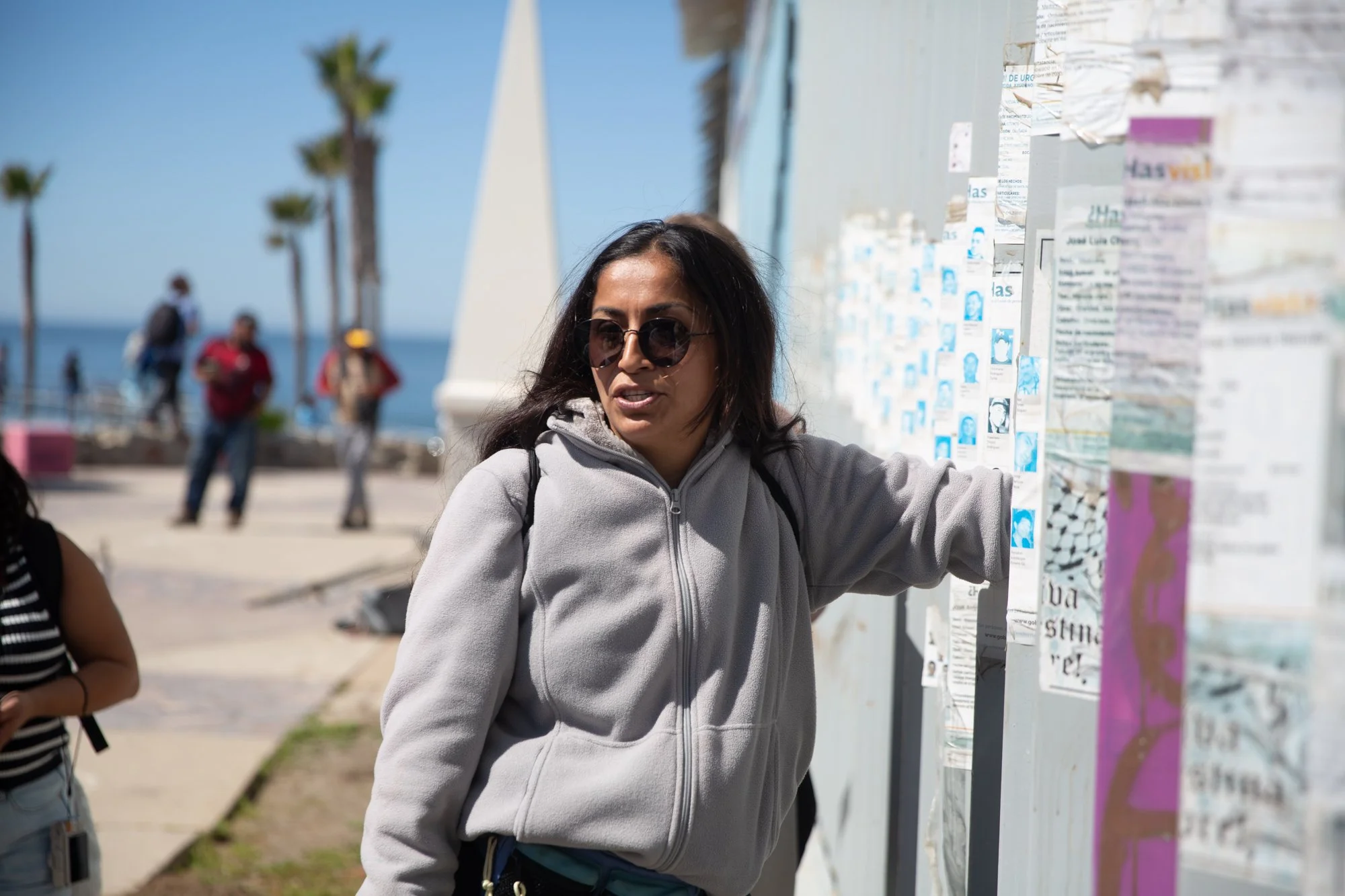
Tania Mendoza speaks at Friendship Park on March 9, 2025. Photo by Viyada Soukthavone.
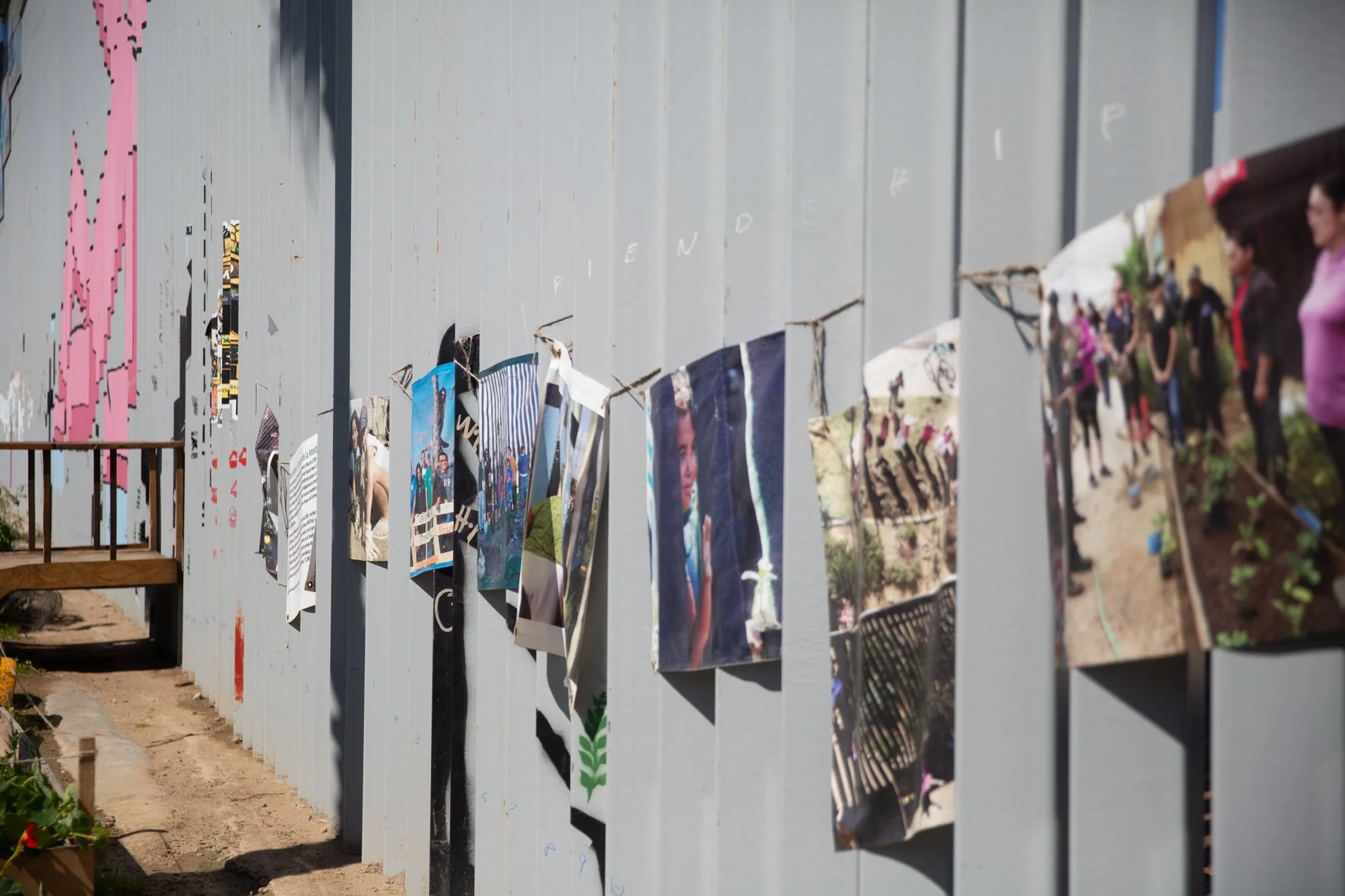
Friendship Park in Tijuana, Mexico, March 9, 2025. Photo by Viyada Soukthavone.
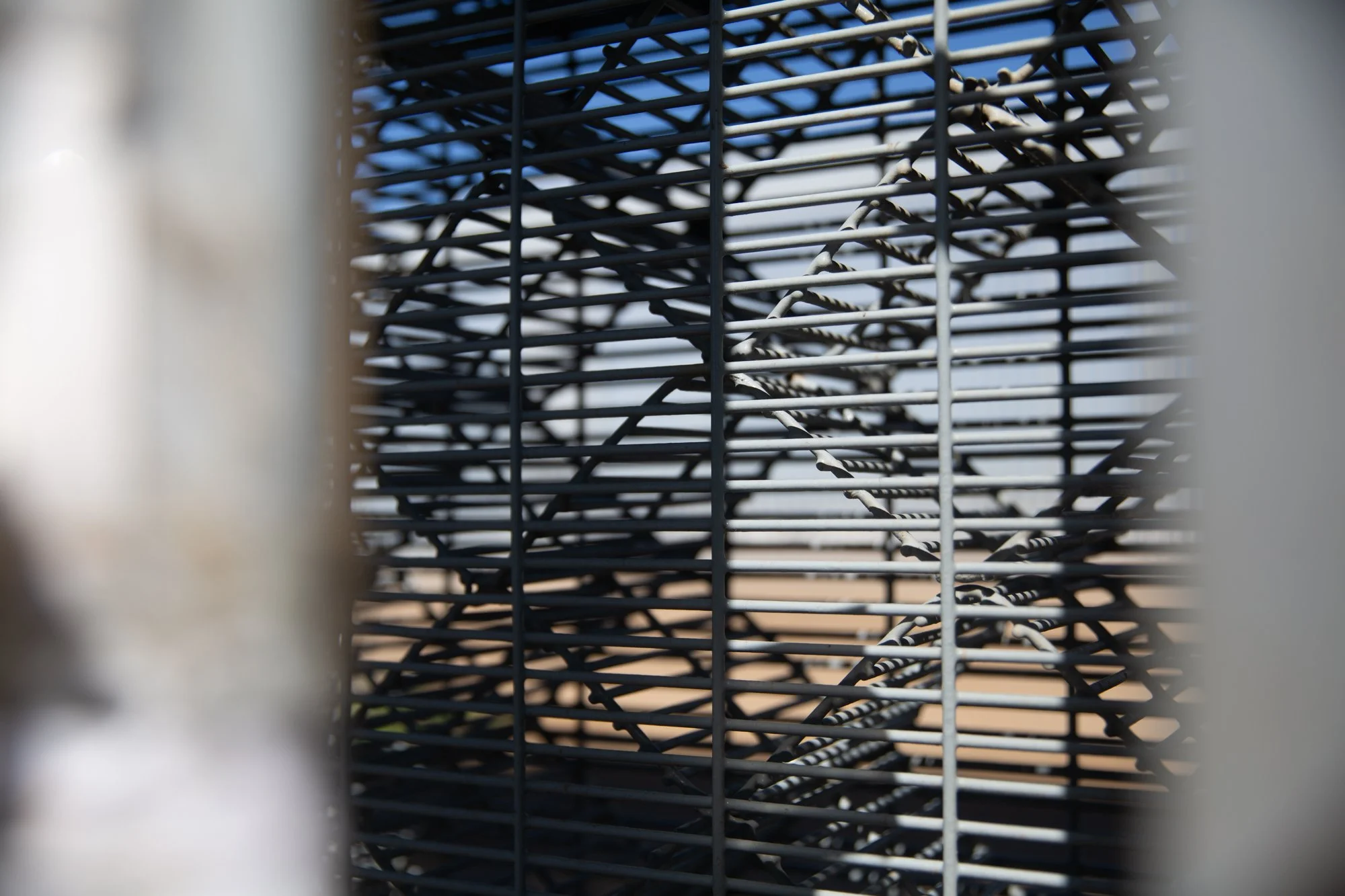
Metal mesh installed on the Mexican side of the border wall in Friendship Park in 2011 limits physical contact. Photo by Viyada Soukthavone.
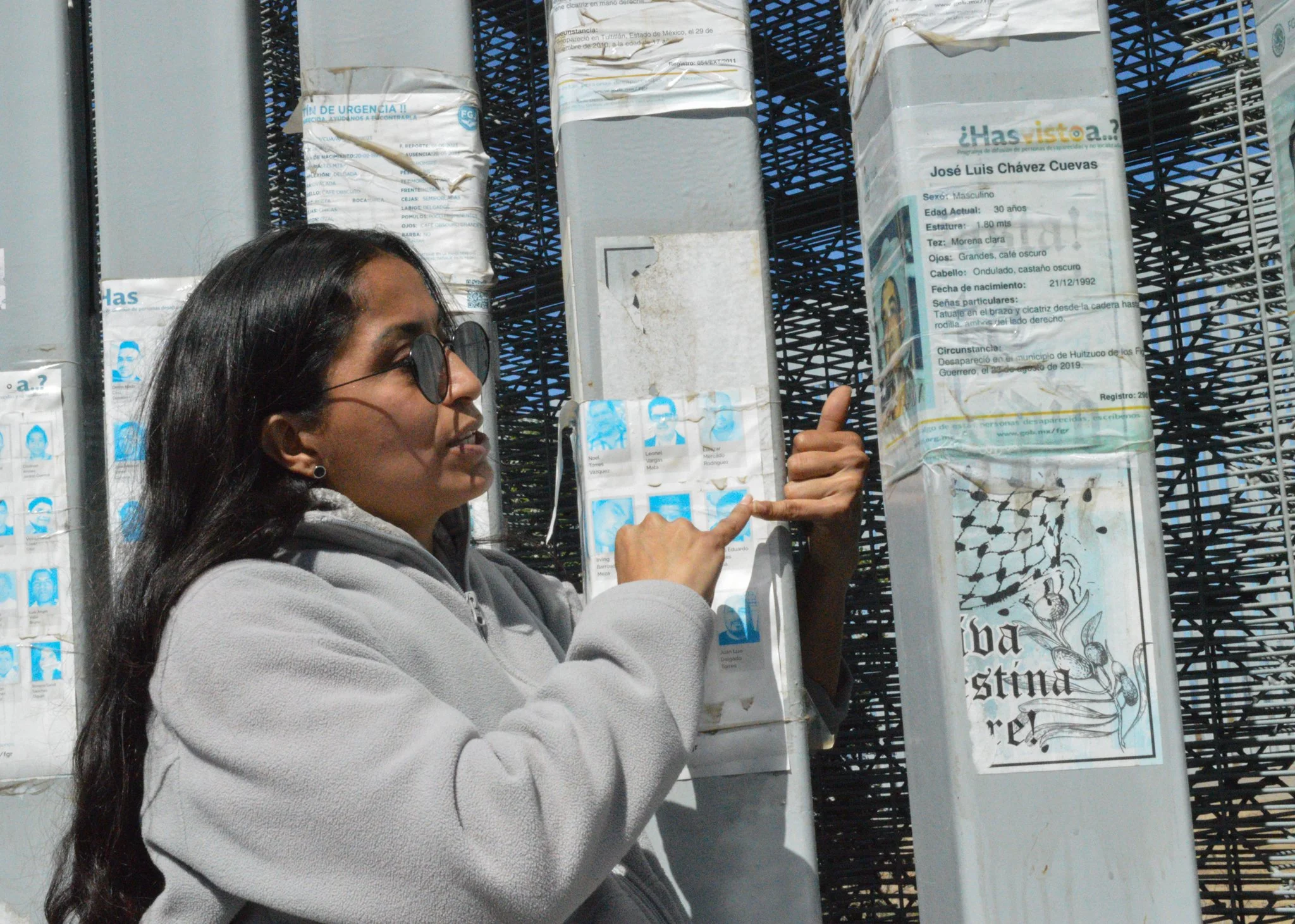
Tania Mendoza demonstrates the "pinky kiss" at Friendship Park on March 9, 2025.
-
So basically, International Friendship Park has a little bit of — had a little — a lot of transparency, had a lot of commitment, community. This place used to be an open site where people used to meet. Back in 1971, Pat Nixon created this place, inaugurated this place an official site, which was International Friendship Park, and that's what it has been since then.
People used to be able to meet here. People used to be able to be human, interact with their family members. We used to have a capacity of 25 people here that would meet, and then it started diminishing to 10. Unfortunately, it's been five years [that] this place has been closed. There are many families who still continue to reach out for this place, and this place is still closed.
So, as you guys can see, we have anti-climbers. And you guys will see the variety of different types of borders, and you'll ask yourself: why this particular site, which is a park — why is this like this? We used to have this symbol of the pinky kiss. The pinky kiss was a way we would be able to touch with our loved ones on the other side, and unfortunately we can't do that anymore because they decided to do this 3D mesh that no longer [allows] a connection. They say it's a security purpose because people used to pass stuff through here, but really, what can you pass through here?
Maybe a dollar bill, you know, a snack. But really, can you pass 30 tons of drugs through here? No, you can't. The border is not gonna stop anyone from seeing their loved ones, or connecting with them, or touching base. On the contrary, it just — it makes your heart a little bit more, more sad. Because what can you do through here? You can't do any harm through here, right? So that's the ironic [thing about] this militarization, this enforcement. Because we don't see the danger. We don't see the danger here. All we would see is families connecting, people encountering, people gathering.
They do yoga classes on this side the same way they do on this side. They do everything that used to happen on this side, on this particular side of Mexico. As you can see now, it would happen on this side, but unfortunately it doesn't happen anymore. I was a family — a separated family — because I was raised in the U.S. and then brought out here as a deportee. I wish this place was open in my time, because I could have encountered here with my daughter. It hasn't happened for the past five years.
So, it's very important. It's very important to create that awareness, to let people know how these walls mean nothing. Because at the end of the day, families are — they're still in love with each other. They're still family.
They say they're gonna reopen it after they finish the wall. The wall's been finished, and they haven't reopened this place.
We were here on this site, and there was a boy coming, walking with his family, and as he started walking through here, he said, “Whoa, Mom, the water just crossed the border.”
So imagine his innocence.
-
Básicamente, el Parque de la Amistad tenía — tiene — un poco, o más bien mucho, de transparencia, de compromiso, de comunidad. Este lugar solía ser un sitio abierto donde la gente se reunía. En 1971, Pat Nixon creó e inauguró este lugar como un sitio oficial, el Parque Internacional de la Amistad, y desde entonces ha sido eso.
La gente solía encontrarse aquí. Solía poder ser humana, interactuar con sus familiares. Teníamos una capacidad de 25 personas que podían reunirse aquí, y luego eso empezó a reducirse a 10. La gente se comunicaba. Desafortunadamente, este lugar lleva cinco años cerrado. Muchas familias siguen intentando acceder a este sitio, y sigue cerrado.
Como pueden ver, hay estructuras antiescalada. Y van a ver la variedad de tipos de muro fronterizo, y se preguntarán: ¿por qué este lugar en particular, que es un parque, está así? Antes teníamos el símbolo del beso de meñiques. El beso de meñiques era una forma de poder tocar a nuestros seres queridos del otro lado, y desafortunadamente ya no podemos hacerlo porque decidieron instalar esta malla en 3D. Ya no permite ninguna conexión. Dicen que es por razones de seguridad, porque antes se pasaban cosas por aquí, pero realmente, ¿qué se puede pasar por aquí?
Tal vez un billete, un dulce. Pero, en serio, ¿puedes pasar 30 toneladas de droga por aquí? No, no puedes. La frontera no va a impedir que alguien vea a su ser querido, o se conecte con él, o tenga contacto, básicamente. Al contrario, solo — solo entristece un poco más el corazón. Porque, ¿qué se puede hacer a través de esto? No se puede hacer daño por aquí, ¿verdad? Esa es la ironía de esta militarización, de esta vigilancia. Porque no — no vemos el peligro. Aquí no hay peligro. Lo único que se ve son familias conectándose, personas encontrándose, gente reuniéndose.
Aquí dan clases de yoga, igual que del otro lado. Hacían todo lo que solía pasar en este lado, en esta parte de México. Como pueden ver, ahora pasaría aquí, pero lamentablemente ya no sucede. Yo fui parte de una familia separada, porque crecí en Estados Unidos y luego fui traída aquí como deportada. Ojalá este lugar hubiera estado abierto en mi época, porque podría haberme encontrado aquí con mi hija. No ha sido posible en los últimos cinco años.
Por eso es muy importante — muy importante — crear conciencia, que la gente sepa que estos muros no significan nada. Porque al final del día, las familias — aún se aman. Siguen siendo familia.
Dicen que lo van a reabrir cuando terminen el muro. El muro ya está terminado, y no han reabierto este lugar.
Estábamos aquí en este sitio, y un niño venía caminando con su familia, y al empezar a caminar por aquí, dijo, “Guau, mamá, el agua acaba de cruzar la frontera.”
Imaginen su inocencia.
Javier
Javier Salazar Rojas was born in Tijuana, Mexico, and grew up in Oakland, California, after his family brought him there as an infant. At 11, he discovered he lacked legal status when his family left him in Mexico after a visit.
In 2014, following a criminal conviction, Salazar was deported under U.S. immigration enforcement policies that prioritized the removal of noncitizens with criminal records.
Since then, he has lived in Tijuana, where he uses painting to document life after deportation and to advocate for others expelled from the United States. His portraits appear in the Playas de Tijuana Mural, part of a larger effort to give visibility to deportees often overlooked by U.S. and Mexican society.
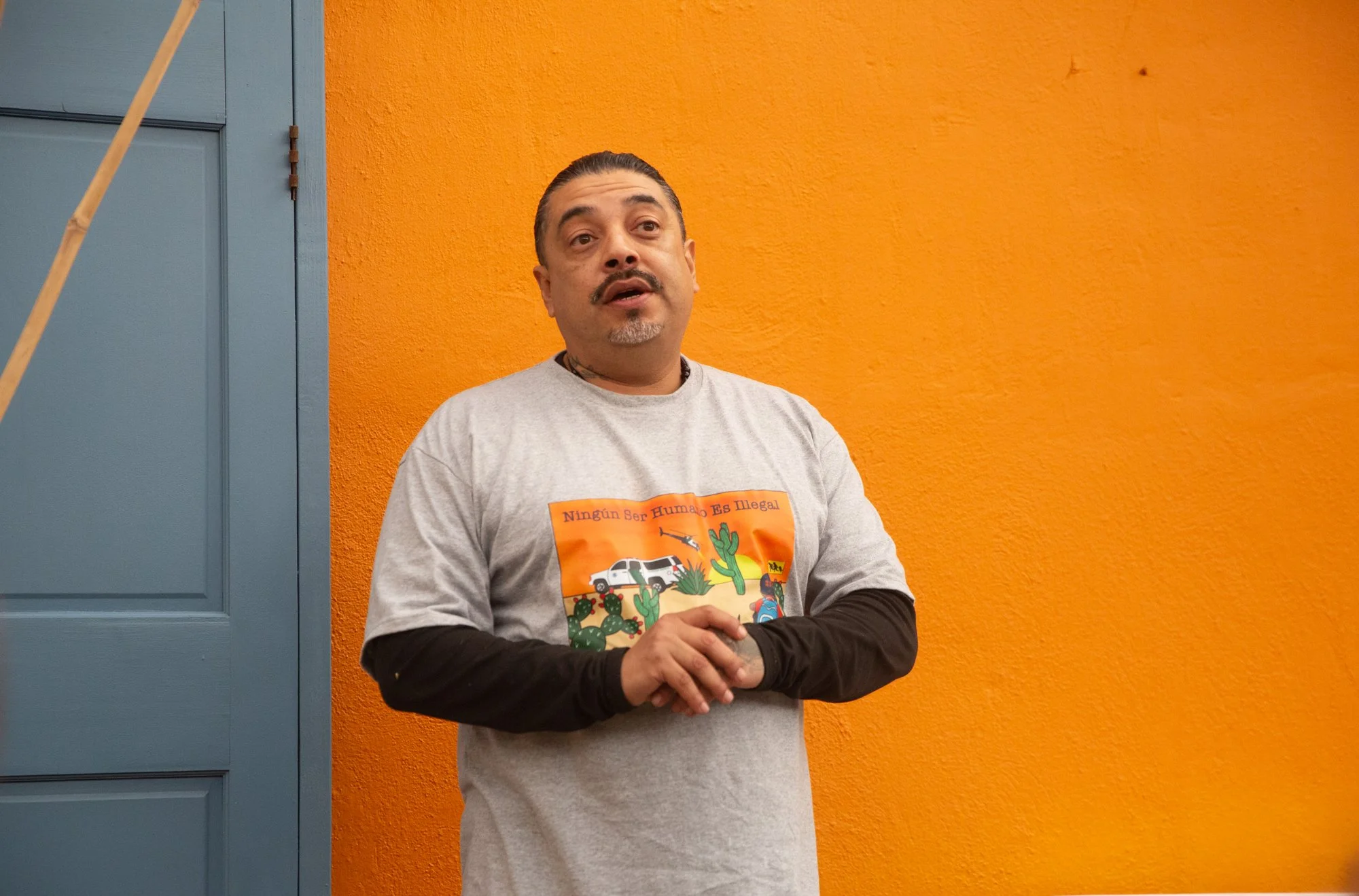
Javier Salazar Rojas speaks to the UNC-Chapel Hill Crossing Borders journalism class in Tijuana, Mexico on March 12, 2025. Photo by Viyada Soukthavone.
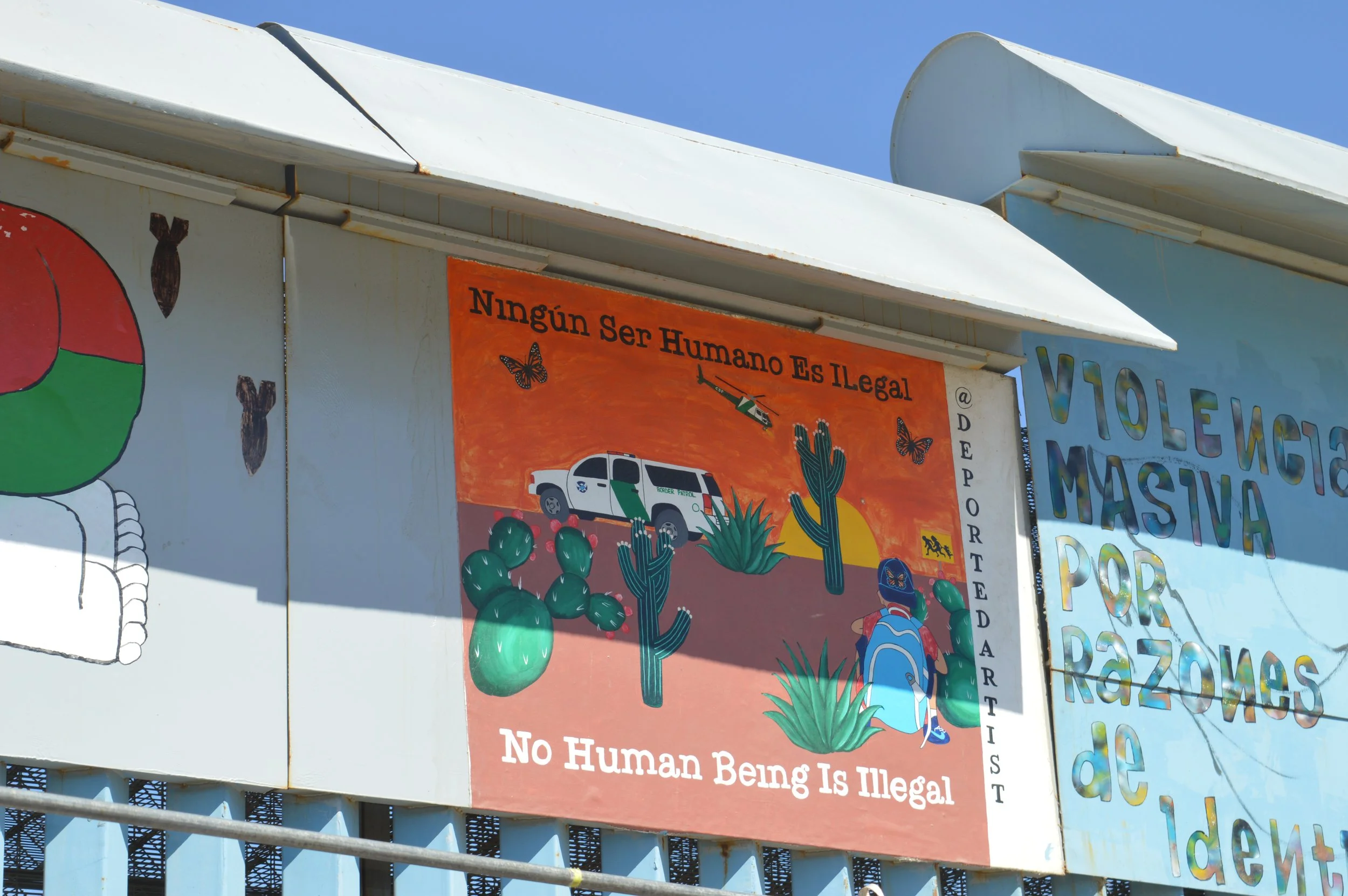
One of Salazar's murals, which reads "Ningún Ser Humano Es Ilegal" ("No Human Being Is Illegal"), is painted on the Mexican side of the border wall at Friendship Park. It depicts his journey across the U.S.–Mexico border at age 11.